
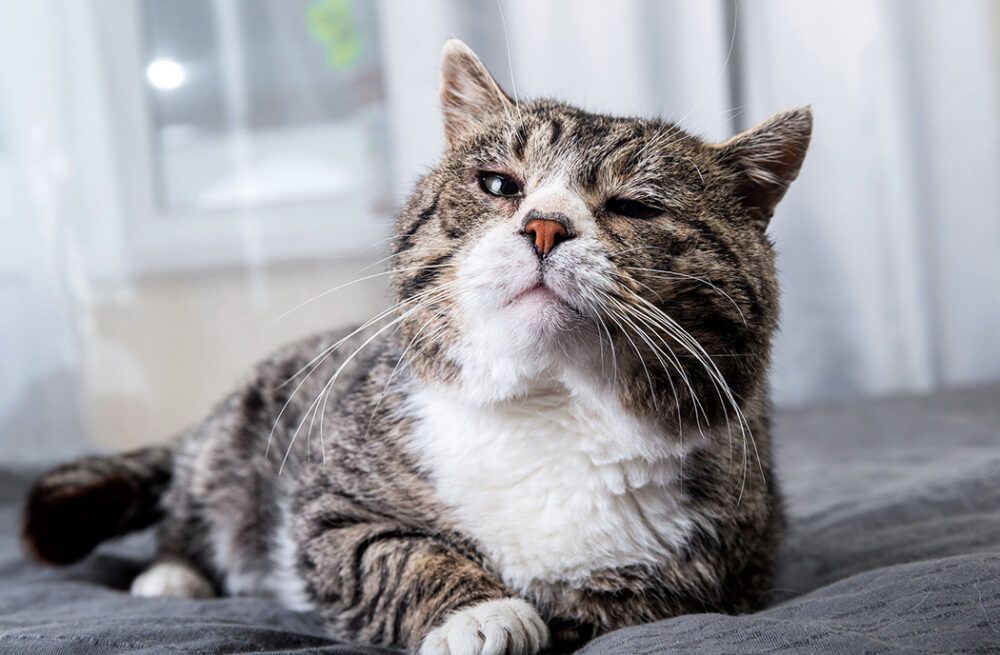
As cats enter their senior years, owners often expect them to slow down, sleep more, and perhaps lose a little bit of weight. While a certain degree of physical slowing is natural, many pet parents mistakenly attribute early disease symptoms to the simple aging process. Felines are notoriously stoic creatures that excel at hiding physical discomfort and internal metabolic changes. Because of this evolutionary trait, understanding and identifying the Early Indicators of Feline Kidney Health is absolutely critical for proactive veterinary care.
Chronic kidney disease is one of the most common medical conditions affecting older cats. It is a progressive, irreversible condition that slowly diminishes the body's ability to filter toxins from the bloodstream. By the time a cat begins vomiting or refusing food entirely, the disease has usually advanced significantly. Catching the earliest whispers of renal decline can add years of comfortable, high-quality life to your companion's timeline.
The Silent Progression of Feline Kidney Disease
The kidneys are sophisticated filtration organs responsible for removing waste products, balancing essential electrolytes, and producing urine. They are composed of thousands of microscopic filtration units called nephrons. As a cat ages, or due to genetic predispositions, these nephrons can become damaged and die off. Unfortunately, kidney tissue cannot regenerate, meaning the remaining healthy nephrons must work significantly harder to compensate for the loss.
Understanding Nephron Loss and Renal Function
The feline body is incredibly resilient and adaptable. A cat can lose up to two-thirds of its functional nephrons before standard blood tests show glaringly obvious abnormalities. During this extended compensation period, the cat will often appear perfectly normal to the untrained eye. This is why waiting for severe clinical symptoms to appear is a dangerous approach to senior pet care.
Tracking the Early Indicators of Feline Kidney Health at Home
Because clinical signs are so subtle in the beginning stages, home observation is your first line of defense. You must establish a strict baseline for your cat's normal daily habits. Any minor deviation from this established routine requires close monitoring. Watching for the Early Indicators of Feline Kidney Health relies heavily on tracking their hydration and bathroom habits.
The Hydration Cycle: Changes in Thirst and Urination
The kidneys usually conserve water by producing highly concentrated urine. When nephrons begin to fail, the kidneys lose this vital concentrating ability. As a result, the cat's body begins flushing out large volumes of dilute urine, a condition known as polyuria. You will likely notice that you are scooping much larger, heavier clumps of litter from the box than usual.
To compensate for this rapid fluid loss, the cat will experience an intense increase in thirst, known as polydipsia. They may begin drinking from unusual sources like dripping faucets, shower floors, or plant saucers. A sudden fascination with the water bowl is one of the most common Early Indicators of Feline Kidney Health and should never be ignored.
Subtle Shifts in Weight, Appetite, and Coat Quality
As the kidneys struggle to filter toxins, a buildup of waste products in the blood can cause low-grade nausea. This mild discomfort often leads to a slightly decreased appetite or sudden pickiness regarding their favorite foods. Over several months, this reduced caloric intake results in a gradual, easily overlooked weight loss. You may feel their spine or hip bones more prominently when petting them.
Furthermore, kidney disease often leads to the loss of vital proteins through the urine. This protein deficiency directly impacts the quality of your cat's fur. A previously glossy, smooth coat may begin to look dull, spikey, or unkempt. Because they feel slightly nauseous, older cats with failing kidneys also tend to groom themselves less frequently.
The Danger of Dismissing Symptoms as "Normal Aging"
It is incredibly common for owners to notice a slight increase in thirst or a thinner coat and brush it off as normal geriatric behavior. Assuming these shifts are just part of getting older delays life-saving interventions. While chronic kidney disease cannot be cured, its progression can be drastically slowed down if caught early enough.
Why Prompt Intervention Matters
When you successfully spot the Early Indicators of Feline Kidney Health, veterinary professionals can introduce specialized therapeutic diets and hydration support. These early adjustments reduce the workload on the surviving nephrons. Without this early intervention, the remaining kidney tissue becomes overworked, accelerating the total failure of the organ.
Professional Diagnostic Support at Gray Fox Animal Hospital
Home observation is vital, but accurate diagnosis requires professional veterinary technology. Identifying microscopic changes in your cat's urine and blood requires sophisticated clinical tools. At Gray Fox Animal Hospital, we specialize in comprehensive senior pet care and early disease detection. We understand that catching metabolic conditions early provides the best possible prognosis for your beloved companion.
Our dedicated team utilizes advanced Diagnostic Care to evaluate your cat's renal values, electrolyte balance, and urine specific gravity. By incorporating these tests into our routine Preventative Care protocols, we establish a healthy baseline and catch dangerous downward trends immediately. If your cat does require long-term management, we provide ongoing Wellness Treatments to keep them comfortable and hydrated, alongside comprehensive Dental Care and Surgical Services when required.
Do not wait for subtle signs to turn into a medical emergency. Be proactive about your senior cat's metabolic health today. Visit our Contact Page to schedule a comprehensive senior wellness exam. For immediate scheduling assistance or to speak with our veterinary staff, call us directly at (856) 848-7070.
Get veterinary care tips and news, see patient case studies, and find out more about our pet care on our Facebook page.
Frequently Asked Questions
Veterinarians generally recommend that routine senior bloodwork and urinalysis begin when a cat reaches seven years of age. Annual testing establishes a baseline, allowing your vet to notice minor upward trends in kidney values year over year. For cats over ten years old, biannual testing is highly recommended for optimal early detection.
In the very early stages, transitioning to a prescription renal diet is one of the most effective management strategies. These specialized diets restrict phosphorus and contain high-quality, easily digestible proteins to reduce the kidneys' filtration workload. They are also fortified with omega-3 fatty acids to help reduce renal inflammation.
Yes, increased vocalization, particularly at night, can be a secondary symptom of kidney decline. As toxins build up in the bloodstream, they can cause systemic discomfort, nausea, and even mild cognitive confusion. If your older cat is suddenly crying out or yowling in the evening, a thorough metabolic workup is necessary.